
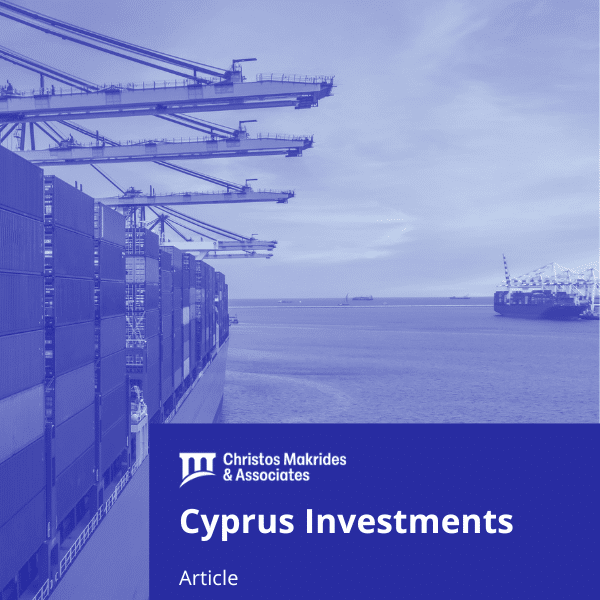
The recent historic visit by Indian Prime Minister Narendra Modi to Cyprus underscores a burgeoning partnership, poised to transform maritime ties between the two nations. This strategic collaboration seems set to create numerous opportunities, particularly across shipping, technology, and infrastructure.
What Makes Cyprus a Strategic Maritime Hub?
Cyprus, distinguished for its world-class maritime services, offers an enticing blend of benefits. From insurance and legal provisions to ship management and bunkering services, the island positions itself as a comprehensive service provider for the global maritime industry. The country’s robust workforce, favourable lifestyle, and strategic location amplify its appeal.
How Will India-Cyprus Collaborations Impact the Shipping Industry?
The emergence of the India–Middle East–Europe Corridor is a potential game-changer. It promises to establish Cyprus as the bridge linking Asia and Europe. Indian capital investments through a proposed Cyprus-India shipping fund might bolster European fleets, paving the way for innovative technology partnerships and digital solutions between the nations. Seizing these opportunities could elevate Cyprus as a leading logistics hub, crucial for regional economies.
Are There Challenges to Navigate?
While Cyprus holds significant maritime advantages, it faces distinct challenges. The prevailing Turkish embargo obstructs Cyprus-flagged vessels from docking at Turkish ports, impacting earnings potential. The local financial ecosystem presents another hurdle, with limited ship finance options and competitive banking solutions. Addressing these financial constraints is imperative for fostering a thriving maritime sector.
Sustainability: How Is Cyprus Progressing?
Despite efforts toward sustainability, Cyprus ranks last in EU sustainability indicators—a wake-up call for potential reform. Upcoming regulations provide a silver lining; from January 2024, Cyprus-flagged ships adopting greener methods will enjoy reduced tonnage taxes. Initiatives like BlueBARGE for renewable energy signify promising steps, yet there is more ground to cover in reducing carbon footprints.
What Role Does Digitalisation Play?
Digitalisation emerges as a pivotal force, threading through all maritime challenges. With the advent of online registrations, e-certificates, and expedited approvals, Cyprus evidences its commitment to becoming a modern tech hub. Digital tools enhance efficiency and waste management and promise transparency across operations.
What Educational Initiatives Are Poised to Drive Growth?
Education represents the cornerstone for Cyprus’s maritime growth. A full maritime university could serve as a centre of excellence, attracting global talent and addressing workforce needs as the industry shifts towards greener practices. Collaborations with India and European institutions could further enrich Cyprus’s educational ecosystem, preparing the next generation for a rewarding shipping career.
Conclusion: What Future Lies Ahead for Cyprus Shipping?
Amid these dynamics, Cyprus is uniquely positioned to fortify its maritime sector. Proactively tackling sustainability challenges, fostering digitalisation, and investing in robust educational frameworks are essential steps toward ensuring competitive advantage. As the industry evolves, embracing innovation and international collaboration will define Cyprus’s role in global shipping.
For insights or collaboration opportunities, contact Christos Makrides and Associates at contact@makridestaxconsultants.com. Dive deeper into the nuances of the maritime sector by subscribing to our newsletter.